
Samsung vs Apple: Which Flagship Reigns Supreme in 2026?
An exhaustive, data-driven deep dive into the Galaxy S26 Ultra and iPhone 17 Pro Max to help you make the right investment.
For over a decade, the global smartphone ecosystem has been defined by a single, titanic rivalry: Samsung vs. Apple. In 2026, this battle has evolved past minor megapixel bumps or incremental processing upgrades into an entirely new paradigm. The real war is now fought on the battlegrounds of Generative AI integration, hardware ergonomics, and deep ecosystem lock-in.
With the commercial rollout of the powerhouse Samsung Galaxy S26 Ultra and the meticulously refined Apple iPhone 17 Pro Max, both tech titans are showcasing radically different design and consumer philosophies. Samsung remains the relentless hardware pioneer, introducing physics-defying innovations like privacy-enabled polarization screens and ultra-slim chassis designs. Apple, true to form, leans heavily on peerless video processing, custom silicon optimization, and an interconnected loop that makes leaving the iOS ecosystem nearly impossible.
If you are looking to invest your hard-earned cash into a top-tier device today, which flagship deserves a spot in your pocket? Let us break down every core pillar step-by-step.
1. Specifications Head-to-Head Comparison
Before examining real-world performance, workflow execution, and media consumption, let us inspect what lies under the hood of these two heavyweights.
2. Design, Ergonomics, and Display Innovations
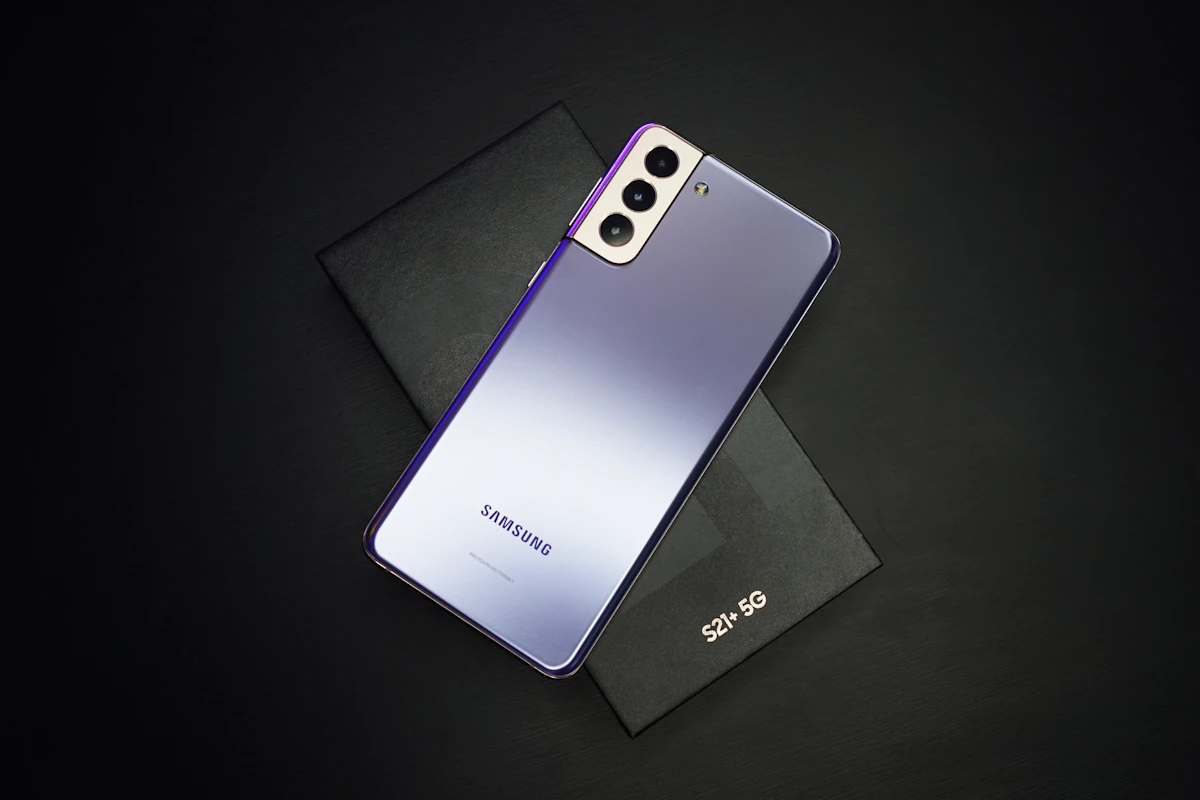
The visual landscape of ultra-premium flagships has shifted this year toward structural optimization. Both manufacturers have dropped excess weight, building devices that dissipate thermal energy much faster under heavy AI computational loads.
Samsung pulled off an engineering breakthrough with the Galaxy S26 Ultra. By integrating a multi-layered vapor chamber cooling matrix, they successfully shaved the device thickness down to a remarkable 7.9mm, making it sleeker than the chunkier 8.75mm frame of the iPhone 17 Pro Max.
Design Profile: Thickness Comparison (Lower is Sleeker)
Samsung S26 Ultra (7.90 mm)
Apple iPhone 17 Pro Max (8.75 mm)
When looking at screen technology, both phones offer sprawling 6.9-inch display real estate, but they target drastically different user priorities:
- Samsung’s Flex Magic Privacy Screen: The S26 Ultra introduces hardware-level light polarization. With a simple tap, you can restrict side-view angles. To you, the display is razor-sharp; to anyone sitting beside you on a train or flight, the screen appears solid black—protecting sensitive banking and chat details.
- Apple’s Nano-Texture Anti-Reflective Coating: Apple doubled down on exterior readability by coupling Ceramic Shield 2 with an advanced anti-reflective coating, heavily reducing solar glare under direct mid-day sunlight.
3. Performance Benchmarks and Computing Power

The processing race has hit an exciting crossroads. While Apple’s single-core optimization remains historically strong, Qualcomm's custom Oryon architecture inside the Snapdragon 8 Elite Gen 5 has claimed the multi-threaded performance crown.
Geekbench 6 Multi-Core Performance Score
Snapdragon 8 Elite Gen 5 (Samsung S26 Ultra): 9,413 points
Apple A19 Pro (iPhone 17 Pro Max): 8,387 points
Synthetic graphics testing shows that Samsung’s Adreno 840 GPU delivers up to a 51% performance lead in real-time hardware ray tracing. For high-end mobile gaming and immediate on-device AI model compilation, the S26 Ultra holds a distinct hardware edge, though day-to-day apps run flawlessly fast on both operating systems.
4. Camera Comparison: Detail vs. Cinematic Vision

Mega-pixel counts tell only part of the story. Both systems are absolute powerhouses, but they cater to completely separate photography workflows:
Samsung's Zoom Supremacy
If you love shooting distant architectural marvels, concerts, or wildlife, Samsung’s dual-periscope setup combined with its 100x Space Zoom is unmatched. Generative AI tools clean up high-magnification shots to keep text legible where the iPhone image falls apart into pixelation.
Apple's Video Mastery
For cinematic content creation, Apple remains the gold standard. The 4K recording suite at 120fps with Dolby Vision and uncompressed ProRes LOG produces unbeatable color grading consistency, paired with skin tones that look natural rather than artificially brightened.
5. Galaxy AI vs. Apple Intelligence
Artificial intelligence features define modern utility. Samsung’s Now Nudge system operates proactively—scanning your clipboard text, flight confirmations, and calendar items to trigger contextual widgets and smart suggestions automatically without manual prompts.
Apple Intelligence focuses heavily on strict user privacy, executing linguistic computations locally inside the secure enclave of the A19 Pro. While it excels at message summaries and clean writing assistance, it still feels slightly more reactive compared to Samsung's proactive ecosystem awareness.
6. Battery Endurance and Charging Architecture
When it comes to powering your day, the two brands approach energy management differently:
- Charging Speeds: Samsung wins decisively here, supporting 60W fast charging that takes the 5,000 mAh cell from 0% to 70% in roughly 30 minutes. Apple caps out at a slower 40W, requiring nearly double the charging time.
- Overall Longevity: Paradoxically, thanks to deep iOS system-level power efficiency, the iPhone 17 Pro Max pushes up to 39 hours of continuous local media playback, squeezing out slightly more active screen-on time during heavy everyday use.
The Ultimate Verdict
Choose Samsung Galaxy S26 Ultra if:
- You want a portable workstation using the built-in S Pen & DeX mode.
- You require privacy protection using the Flex Magic display.
- You want elite 100x digital zoom capabilities for travel.
Choose Apple iPhone 17 Pro Max if:
- You are deeply locked into the Mac/iPad/Apple Watch ecosystem.
- You need studio-grade 4K 120fps ProRes video recording.
- You prioritize maximized battery endurance and stellar outdoor visibility.
Which ecosystem are you leaning toward this year? Let us know your thoughts in the comments below!
Comments 0